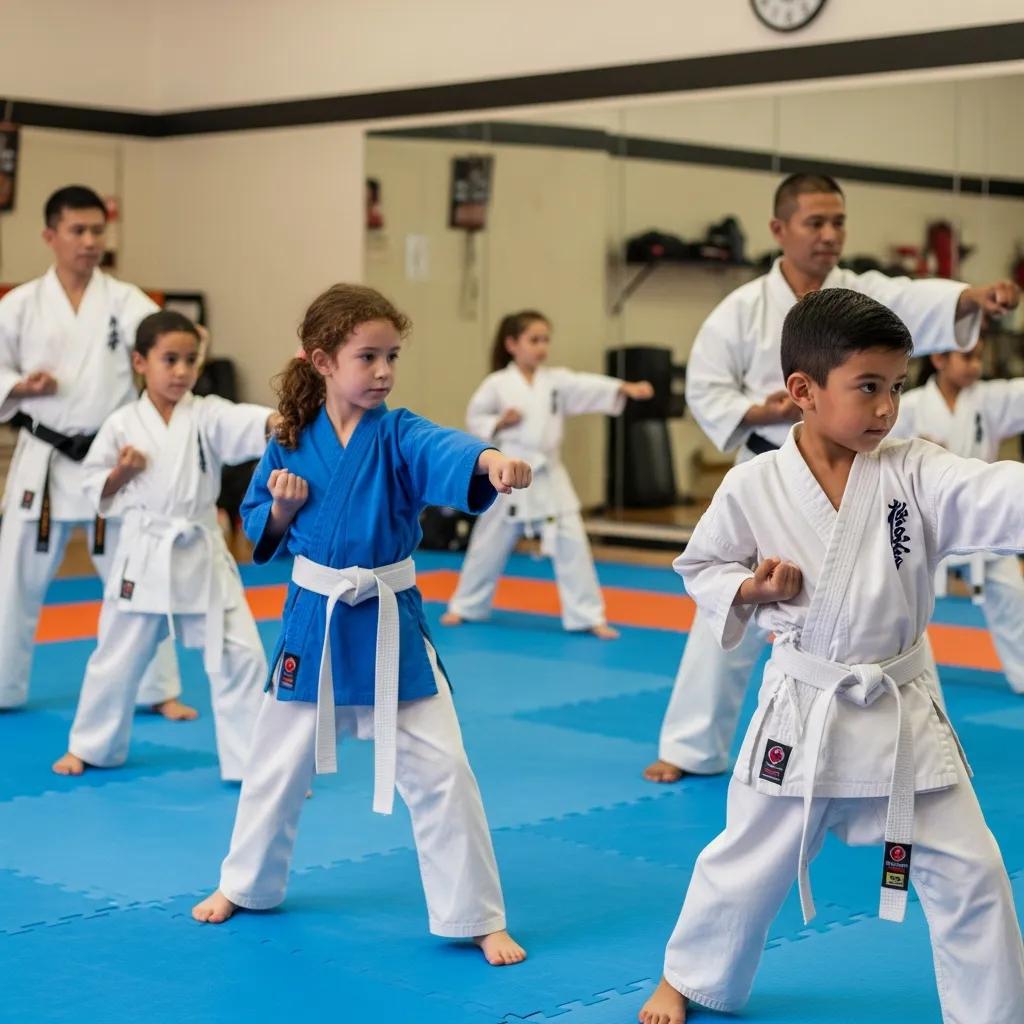
Kids Self Defense: Essential Safety Skills Every Child Should Learn
Kids Self-Defense: Essential Skills Every Child Should Learn to Build Confidence and Stay Safe
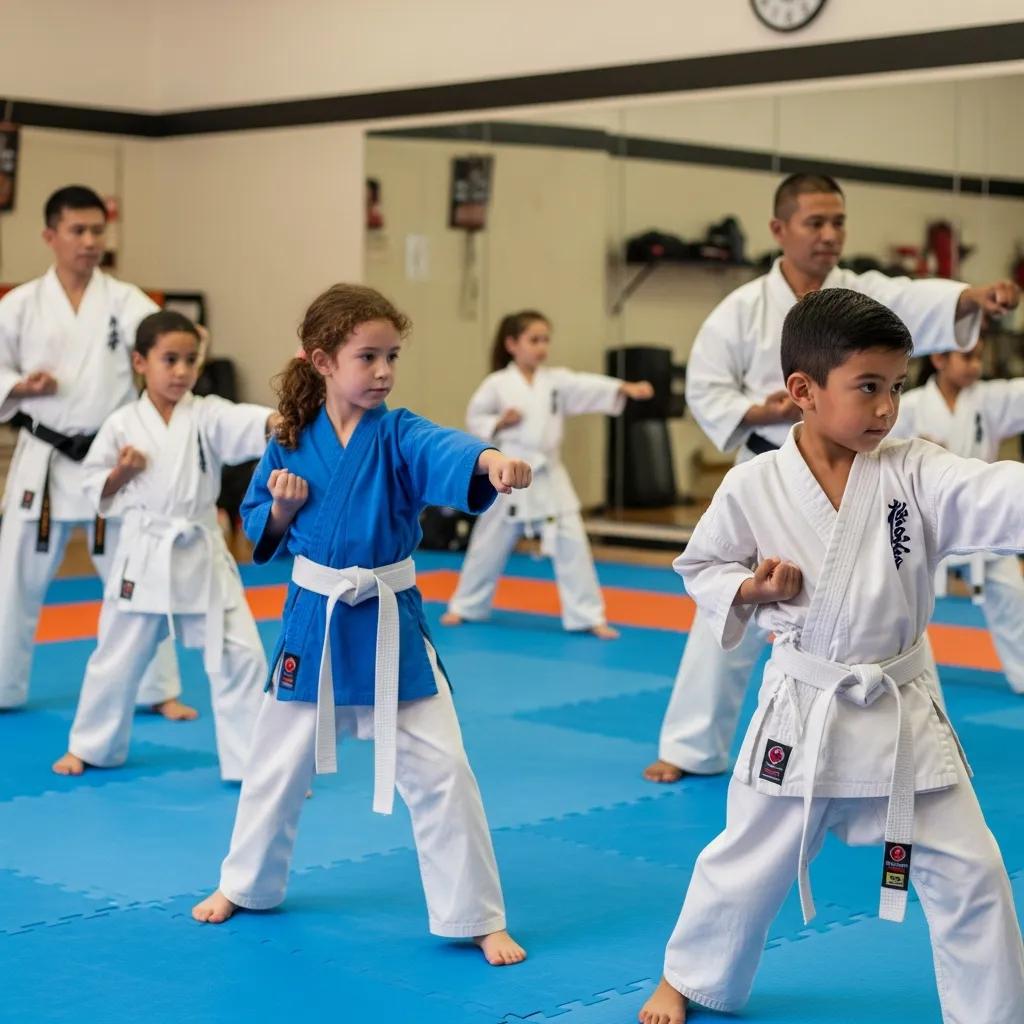
Keeping kids safe starts with clear skills and steady confidence. This guide walks through the practical self-defense basics every child should learn — from awareness and words to simple physical techniques — and explains how those skills build discipline, respect, and resilience. Many parents worry about safety in school, at the park, or online; teaching children self-defense gives families a proactive, positive path forward. Read on to learn why these skills matter and how Shihan Marc’s Karate Academy helps kids grow stronger, calmer, and more prepared.
Why Is Self-Defense Important for Children’s Safety and Development?
Self-defense does more than teach moves — it empowers children to recognize danger, make better choices, and act with confidence. Training helps kids feel secure in everyday situations and gives them tools to manage conflict without panic. Indeed, studies consistently show that over time those skills improve self-esteem, social interactions, and decision-making, supporting healthier behavior at home, at school, and around friends.
How Does Karate Build Discipline and Focus in Kids?

Karate classes use structure, repetition, and achievable goals to teach focus and self-control. Children practice movements and drills that hone attention, teach routine, and reward persistence — skills that carry over to homework, chores, and social situations. Regular training reinforces commitment and patience, helping kids behave more thoughtfully and perform better in school and daily life. As Shihan Marc Pamfilis elaborates in his acclaimed book, Karate Cure: Why I Recommend Karate Training for Children, these structured practices are fundamental to developing a child's inner strength and discipline.
Research supports that martial arts participation contributes positively to character development and overall well-being in children.
Martial Arts for Child Character & Development
Studies and instructor reports note that karate and other eastern martial arts promote character building, improved behavior, and social development in children and adolescents.
Effect of eastern martial arts on bringing up and behaviour of children and adolescents in the opinion of sensei and parents or caregivers, 2016
What Life Skills Do Children Gain from Martial Arts Training?

Karate teaches practical life skills that matter long after class ends. Key benefits include:
- Respect: Students learn to treat instructors, peers, and themselves with courtesy and care.
- Confidence: Achieving new skills and belts builds a healthy sense of ability.
- Teamwork: Partner work and group drills teach cooperation, encouragement, and social skills.
Those habits help children navigate friendships, classrooms, and challenges with steadier self-assurance. Research further indicates that such comprehensive development significantly contributes to a child's overall well-being and future success.
What Are the Essential Safety Skills Every Child Should Master?
Teaching a core set of safety skills gives kids the best chance to avoid danger and respond calmly if something happens. These fundamentals focus on awareness, communication, and escape techniques — all designed to keep children safe while minimizing risk.
| Skill | Description | Importance |
|---|---|---|
| Situational Awareness | Noticing people, exits, and changes in the environment | Helps children spot risks early and avoid unsafe situations |
| Verbal Self-Defense | Using firm words and clear boundaries to de-escalate or get help | Empowers kids to defuse conflicts without physical force |
| Basic Physical Self-Defense Moves | Simple, age-appropriate techniques to break free or create distance | Provides practical, last-resort options for escaping danger |
How Can Situational Awareness Help Kids Stay Safe?
Situational awareness teaches children to pay attention to their surroundings — doors, exits, who’s nearby, and what feels off. When kids learn to trust their instincts and notice small signs (like someone following or an empty route), they can make safer choices: change direction, move to a public area, or tell a trusted adult. This habit of looking up and scanning keeps many risky situations from developing.
What Are Effective Verbal Self-Defense Techniques for Children?
Words are often the first line of defense. Simple verbal tools include:
- Using a strong voice: Speaking clearly and loudly signals confidence and draws attention.
- Setting boundaries: Saying “Stop” or “I don’t like that” calmly and firmly establishes limits.
- Seeking help: Teaching kids to quickly find a trusted adult or call for help when needed.
These techniques give children ways to protect themselves while avoiding escalation and preserving safety.
Which Basic Physical Self-Defense Moves Should Kids Learn?
When physical action is necessary, children should rely on simple, effective moves that create space and enable escape. Core techniques include:
- Blocking: Basic blocks to deflect grabs or strikes and protect vulnerable zones.
- Escaping holds: Easy-to-learn breaks and turns that free a child from a grab.
- Creating distance: Steps, pushes, or quick maneuvers that open a path to safety.
Training emphasizes responsibility: physical moves are a last resort and used only to get away and find help.
How Does Shihan Marc’s Karate Academy Teach Kids Self-Defense and Life Skills?
At Shihan Marc’s, we combine practical self-defense with character training. Our kids’ program blends age-appropriate techniques, situational awareness, and communication skills with lessons in focus, respect, and goal-setting. The result is confident, capable kids who learn to protect themselves and support others.
What Is Unique About Shihan Marc’s Proprietary Life Skills System?
Our proprietary Life Skills System weaves character-building into every class. Students set clear goals, practice self-discipline, and learn to respect others as part of their progression. This structure turns physical training into a framework for everyday success — at school, at home, and in friendships.
How Does the Academy’s Supportive Environment Foster Confidence and Respect?
We teach through encouragement and consistent expectations. Instructors use positive reinforcement and individualized feedback so each child feels seen and supported. That safe, team-focused environment lets students try new things, recover from mistakes, and grow both their skills and their self-worth.
How Can Karate Help Prevent Bullying and Build Resilience in Children?
Karate builds confidence and social skills that make children less likely targets for bullies and better able to stand up for themselves and others. Resilience grows as students meet challenges, learn healthy responses to conflict, and practice clear communication. Shihan Marc Pamfilis explores these profound benefits in Karate Cure, emphasizing how martial arts training equips children with the mental fortitude to navigate social pressures.
What Verbal Strategies Empower Kids to Stand Up to Bullies?
Teaching words and practice helps kids face bullying calmly and effectively. Useful strategies include:
- Using assertive language: Firm, respectful phrases that set boundaries without escalating the situation.
- Practicing responses: Role-playing gives kids ready-made replies so they don’t freeze under pressure.
- Seeking help: Encouraging children to tell trusted adults and report ongoing problems.
These tools help kids protect themselves while keeping conflict from spiraling.
When Should Physical Self-Defense Be Used Responsibly?
Physical self-defense is a tool of last resort. We teach children to prioritize avoidance, de-escalation, and getting help first. If a situation becomes physically dangerous, the emphasis is on quick, effective actions that create distance and allow the child to leave and find safety. Responsibility, control, and respect for others are core lessons in every technique we teach.
How Do Parents Choose the Right Kids Martial Arts Program?
Picking the right program matters. Look for a school that balances safety, quality instruction, and character development so your child benefits physically, mentally, and socially.
What Should Parents Look for in a Karate Instructor and Program?
When evaluating programs, prioritize:
- Instructor qualifications: Experienced, certified teachers who know how to work with children.
- Curriculum focus: A balanced program that teaches self-defense and life skills, not just techniques.
- Class size: Smaller groups for more attention and safer, more effective learning.
Those elements create a reliable environment for progress and confidence.
How Do Karate Classes Compare to Other Martial Arts for Youth?
Karate emphasizes striking, discipline, and structured progression, which can be especially good for young students learning focus and respect. Other arts may focus more on grappling or ground work; the best choice depends on your child’s needs, temperament, and goals. Karate’s clarity and routine make it a popular option for building life skills alongside physical ability.
What Is the Meaning and Importance of Karate Belt Ranks for Kids?
Belt ranks give kids clear milestones and motivation. Each belt marks new skills and responsibility, encouraging students to set goals and celebrate progress. Moving through the ranks teaches persistence, hard work, and the value of steady effort — lessons that stick far beyond the dojo.
How Can Parents Get Started with Shihan Marc’s Kids Self-Defense Program?
Starting is simple and welcoming. Visit Shihan Marc’s Kids Self-Defense Program to sign up for a free introductory session and see how our classes fit your child.
What Is the Enrollment Process and Free Introductory Session?
Families begin with a free introductory class so children can try the program firsthand. Enrollment includes a short registration form and scheduling your visit. The intro session lets kids meet instructors, try basic drills, and get a feel for the class structure before committing.
What Should Parents Expect During the Onboarding Conference and Uniform Provision?
At onboarding we’ll cover program expectations, goals, and how parents can support progress. New students receive a uniform so they feel part of the team from day one. This briefing sets clear expectations and helps families make the most of the training ahead.
